

Food shopping is one of the biggest weekly expenses for most households, but there are plenty of simple ways to reduce your bill without making major lifestyle changes.
By planning ahead, shopping smarter and taking advantage of offers, you can save hundreds of pounds over the course of a year. These tips are easy to put into practice and can make a noticeable difference from your very next shop.
Always Shop With a List
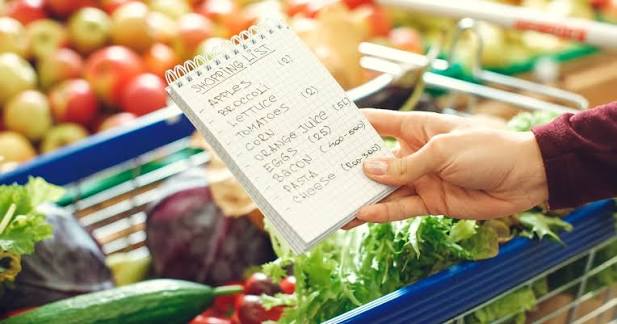
Going shopping without a list often leads to impulse purchases that quickly increase your total bill.
Before leaving home, spend a few minutes checking what you already have in your cupboards and fridge. Plan your meals for the week and only buy the ingredients you actually need.
Many supermarkets are designed to encourage impulse buying, so sticking to your list helps you avoid unnecessary purchases while ensuring nothing important is forgotten.
Even saving just £10 each week adds up to more than £500 over a year.
Compare Prices Before You Shop
The supermarket you usually visit may not always offer the best price for everything on your list.
Before doing a larger shop, compare the main items you plan to buy across a few retailers. This is especially useful for branded products, household supplies and items you buy regularly.
You do not need to visit several shops every week. Even checking a few expensive items can help you decide where your money will go furthest.
Buy Supermarket Own Brands
Many supermarket own-brand products are made to very similar standards as premium brands but cost significantly less. Everyday items such as pasta, rice, canned tomatoes and cleaning products are often excellent value.
Try switching one or two products each week rather than replacing everything at once. You may find little or no difference in quality while reducing your shopping bill.
If you discover an own-brand product your family enjoys, the savings can quickly add up over the course of a year.
Never Shop When You're Hungry
Shopping on an empty stomach can make tempting displays and special offers much harder to resist. This often leads to buying snacks and treats that were never on your shopping list.
Having a meal or even a small snack before visiting the supermarket can help you make more sensible purchasing decisions.
Sticking to your list becomes much easier when you’re not distracted by hunger.
Use Your Freezer More Often
Freezing food is one of the easiest ways to reduce waste. Bread, meat, vegetables and many cooked meals can all be frozen for later use.
If you spot a genuine offer on products you regularly buy, freezing them allows you to take advantage of lower prices without worrying about food going to waste.
Batch cooking and freezing portions also saves both money and time during busy weeks.
Take Advantage of Loyalty Schemes
Most major supermarkets now offer loyalty cards that provide personalised discounts, vouchers or points on everyday purchases.
Although the savings on individual trips may seem small, regular shoppers can accumulate worthwhile discounts over time.
Check your supermarket’s app before shopping, as many exclusive offers are only available digitally.
Reduce Food Waste
Throwing food away is like throwing money into the bin. Planning meals around ingredients you already have helps reduce unnecessary purchases.
Store fresh produce correctly and use older items before opening new ones. Leftovers can often be turned into lunches, soups or pasta dishes the following day.
Making the most of what you buy helps stretch every pound further.
Set Yourself a Weekly Budget
Having a clear spending limit encourages you to think carefully about every item you add to your trolley.
Many people find it helpful to check the running total as they shop or use the supermarket’s self-scanning app where available.
Even reducing your weekly grocery bill by £10 could save more than £500 over a year, making small changes well worth the effort.